
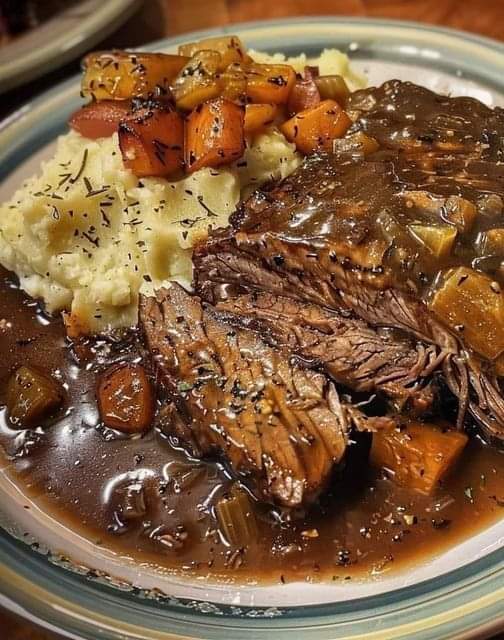
Introduction to Classic Pot Roast
Pot roast is one of the most iconic comfort foods, a dish that’s been passed down through generations of home cooks and continues to warm hearts and homes today. With its tender, slow-cooked beef, flavorful vegetables, and rich broth, pot roast is a meal designed to nourish and satisfy. This article will explore the ins and outs of preparing a classic pot roast, starting from the selection of ingredients to the art of slow cooking, ensuring you achieve the perfect pot roast every time.
Why the Pot Roast is a Classic
The History of Pot Roast
The origins of pot roast date back to various culinary traditions, from French boeuf à la mode to American adaptations. Slow-cooking tougher cuts of meat with vegetables was a practical and delicious way to feed families, particularly during cold months. Over time, pot roast evolved into a staple in American households, combining simplicity and flavor into one pot.
What Makes Pot Roast Special?
The key to a great pot roast lies in the cooking technique—low and slow. By simmering the meat for several hours in a covered pot, the tough connective tissues break down, resulting in a tender, melt-in-your-mouth roast. The accompanying vegetables, usually carrots and potatoes, soak up the rich flavors of the broth, creating a wholesome meal in every bite.
Essential Ingredients for a Classic Pot Roast
Choosing the Right Cut of Meat
The cut of meat you choose will significantly impact the final product. For a classic pot roast, a 3lb roast chuck or shoulder cut is recommended. These cuts have enough marbling and connective tissue to become tender during the slow cooking process.
Vegetables: More Than Just a Side
Potatoes and carrots are the traditional vegetables used in pot roast. The potatoes, particularly small yellow ones, hold their shape and soak up the broth’s flavors without becoming mushy. Carrots add a slight sweetness that complements the savory beef and broth.
Aromatic Herbs and Seasonings
Fresh thyme, bay leaves, parsley or coriander are the herbs commonly used to flavor a pot roast. These herbs impart a fresh, earthy note that balances the rich beef and vegetable flavors. Don’t forget the basics—salt and black pepper, which are crucial for seasoning the meat and the overall dish.
Step-by-Step Instructions for Preparing the Perfect Pot Roast
1. Season the Meat
Before cooking, generously sprinkle salt and black pepper on all sides of the 3lb roast chuck. This simple seasoning is the foundation of the roast’s flavor. Make sure to coat the meat evenly to ensure every bite is perfectly seasoned.
2. Browning the Meat
In a large Dutch oven or heavy-bottomed pot, heat 2 tablespoons of olive oil. Once the oil is hot, brown the roast on all sides. This step is crucial as it seals in the meat’s juices and builds a deep, rich flavor. Browning should take about 15 minutes, after which the meat is removed and set aside.
3. Sauté the Aromatics
Add one chopped onion and three garlic cloves (either chopped or compressed) to the pot with the remaining fat. Cook until the onion becomes translucent, usually 2 to 3 minutes. The aroma of the onion and garlic will begin to fill the kitchen, signaling the start of building flavor for the broth.
4. Building the Broth
Next, add 1 tablespoon of tomato paste to the pot. The tomato paste adds depth and richness to the dish. After stirring in the tomato paste, sprinkle in 2 tablespoons of cassava or multi-purpose flour. This helps to thicken the broth. Stir continuously to avoid lumps. After about a minute, deglaze the pot with ½ cup of red wine, scraping up any browned bits from the bottom of the pot. Allow the wine to simmer for 1 to 2 minutes before adding 2 cups of beef broth, two laurel leaves, and two sprigs of fresh thyme.
5. Reintroducing the Beef
Carefully place the browned roast back into the pot, nestling it into the broth. Surround the beef with 2 pounds of small yellow potatoes and 1 pound of carrots, ensuring they are submerged in the broth. These vegetables will cook alongside the roast, absorbing all the rich flavors as they become tender.
6. Slow Cooking to Perfection
Cover the pot with a lid and place it in a preheated oven at 350°F. Cook for 2½ to 3 hours. This slow cooking process ensures that the meat becomes incredibly tender, while the vegetables cook to perfection without becoming overdone. Check the roast occasionally to make sure there’s enough liquid, adding more beef broth if necessary.
7. Garnishing and Serving
Once cooked, remove the pot roast from the oven and garnish with freshly chopped parsley or coriander. The fresh herbs add a bright, fresh flavor that balances the richness of the roast. Serve the pot roast directly from the pot, spooning the broth over the meat and vegetables for maximum flavor.
Tips and Tricks for Enhancing Your Pot Roast
The Secret to Browning
The key to properly browning the meat is to ensure the pan is hot enough before adding the roast. If the pan is not hot, the meat will steam rather than sear, resulting in a lack of flavor development. Additionally, avoid overcrowding the pot when browning.
Using a Slow Cooker
If you don’t have a Dutch oven, you can easily adapt this recipe for a slow cooker. Simply brown the meat and sauté the aromatics in a skillet before transferring everything to the slow cooker. Cook on low for 7 to 8 hours, or until the beef is tender.
Experimenting with Different Flavors
While the classic pot roast recipe is tried and true, there’s always room for experimentation. Try adding root vegetables like parsnips or turnips for a different flavor profile. You can also switch out red wine for white wine or skip the wine entirely for a more traditional broth-based pot roast.
FAQs
1. Can I use other types of meat for pot roast?
Yes, other cuts such as brisket or even pork shoulder can be used, but chuck roast is preferred for its tenderness and marbling.
2. How do I know when my pot roast is done?
The pot roast is done when it can be easily shredded with a fork. If the meat is still tough, continue cooking until it becomes tender.
3. Can I make pot roast without wine?
Absolutely. You can replace the wine with extra beef broth or a splash of balsamic vinegar for a slight tang.
4. How do I thicken the broth?
If the broth is too thin, you can remove the meat and vegetables at the end of cooking and reduce the broth by simmering it on the stovetop.
5. Can I freeze pot roast?
Yes, pot roast freezes well. Store it in an airtight container, and it will last up to 3 months in the freezer.
6. What can I serve with pot roast?
Pot roast is often served with mashed potatoes, crusty bread, or even a side of sautéed greens.
Conclusion
Cooking a classic pot roast is more than just making a meal—it’s about creating a comforting experience for you and your loved ones. With the right ingredients and a bit of patience, you’ll have a dish that’s tender, flavorful, and deeply satisfying. Whether it’s a special occasion or just a cozy night in, pot roast is sure to please everyone at the table.